The Enduring Power of RFK’s "Ripple of Hope" Speech
Today we remember RFK’s legacy. Sixty years ago on June 6, 1966, Robert F. Kennedy delivered his "Ripple of Hope" speech at the University of Cape Town in South Africa, offering a powerful reminder that individual acts of courage can help change the course of history. Two years later, on June 6, 1968, he tragically died at the age of 42.
His “Ripple of Hope” message remains as relevant today as it was in 1966.
Some speeches are remembered for their words. Others are remembered for the movements they inspire.
Sixty years ago, on June 6, 1966, Senator Robert F. Kennedy traveled to South Africa and delivered what would become one of the most memorable speeches of the twentieth century.
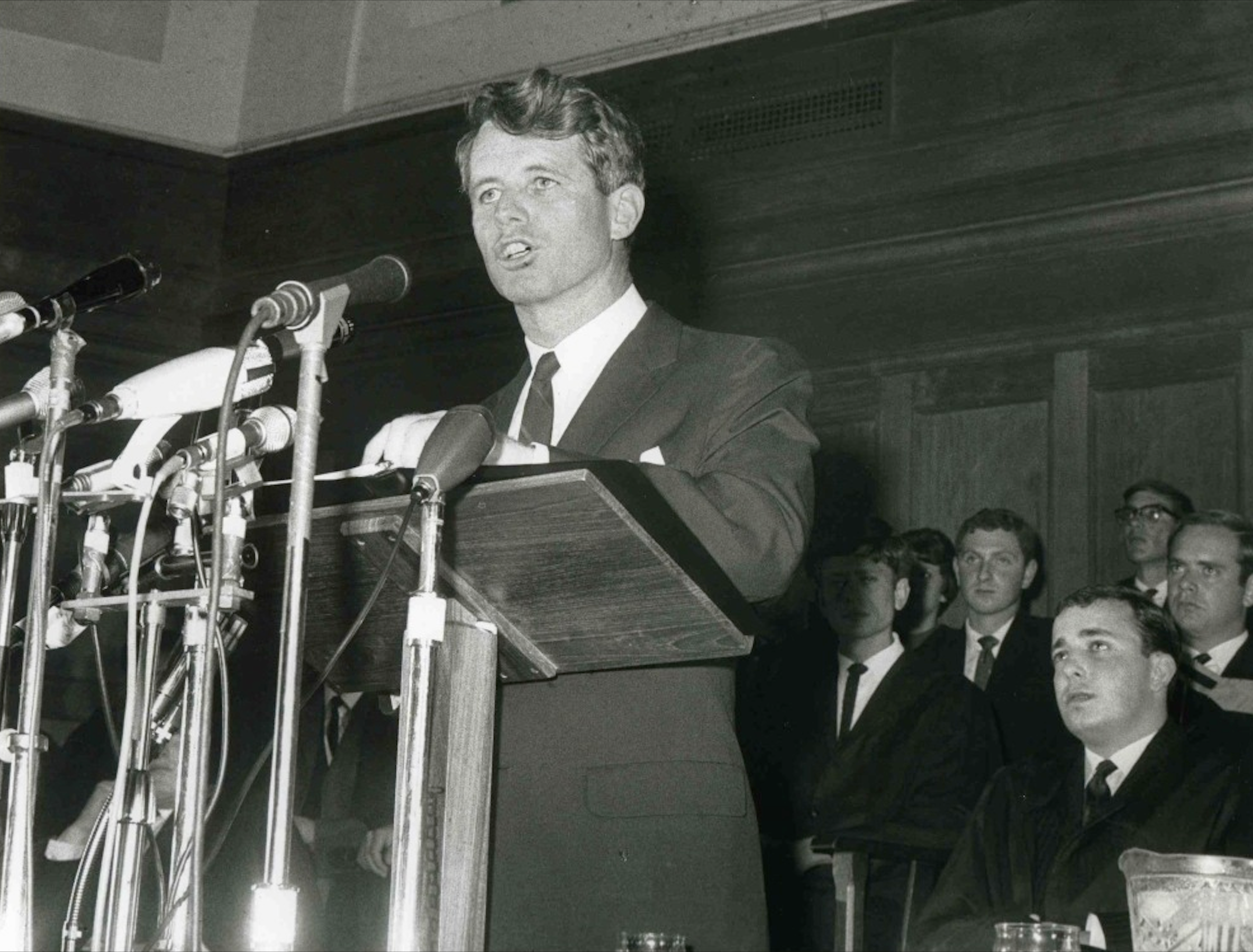
Robert F. Kennedy delivering “Ripple of Hope” speech at the University of Cape Town on June 6, 1966. Photo Credit: NPR/Shoreline Productions
Speaking at the University of Cape Town in South Africa during the height of apartheid, Bobby Kennedy challenged students and citizens alike to confront injustice and to believe in their capacity to create change. His words gave us one of the most enduring phrases in public life: "ripple of hope."
The speech's central message, that individual acts of courage can collectively transform society, continues to inspire people around the world.
At the University of Massachusetts, that message holds special significance.
For decades, members of the UMass community have engaged with the struggle for justice and democracy in South Africa. The University of Massachusetts was among the institutions that took action by divesting from holdings connected to apartheid-era South Africa. Later, Professor Padraig O'Malley's groundbreaking work documented the voices, negotiations, and experiences that helped shape South Africa's transition to democracy. Today, those interviews and historical materials are preserved through UMass Boston's archives, ensuring that future generations can learn from this extraordinary chapter in world history.
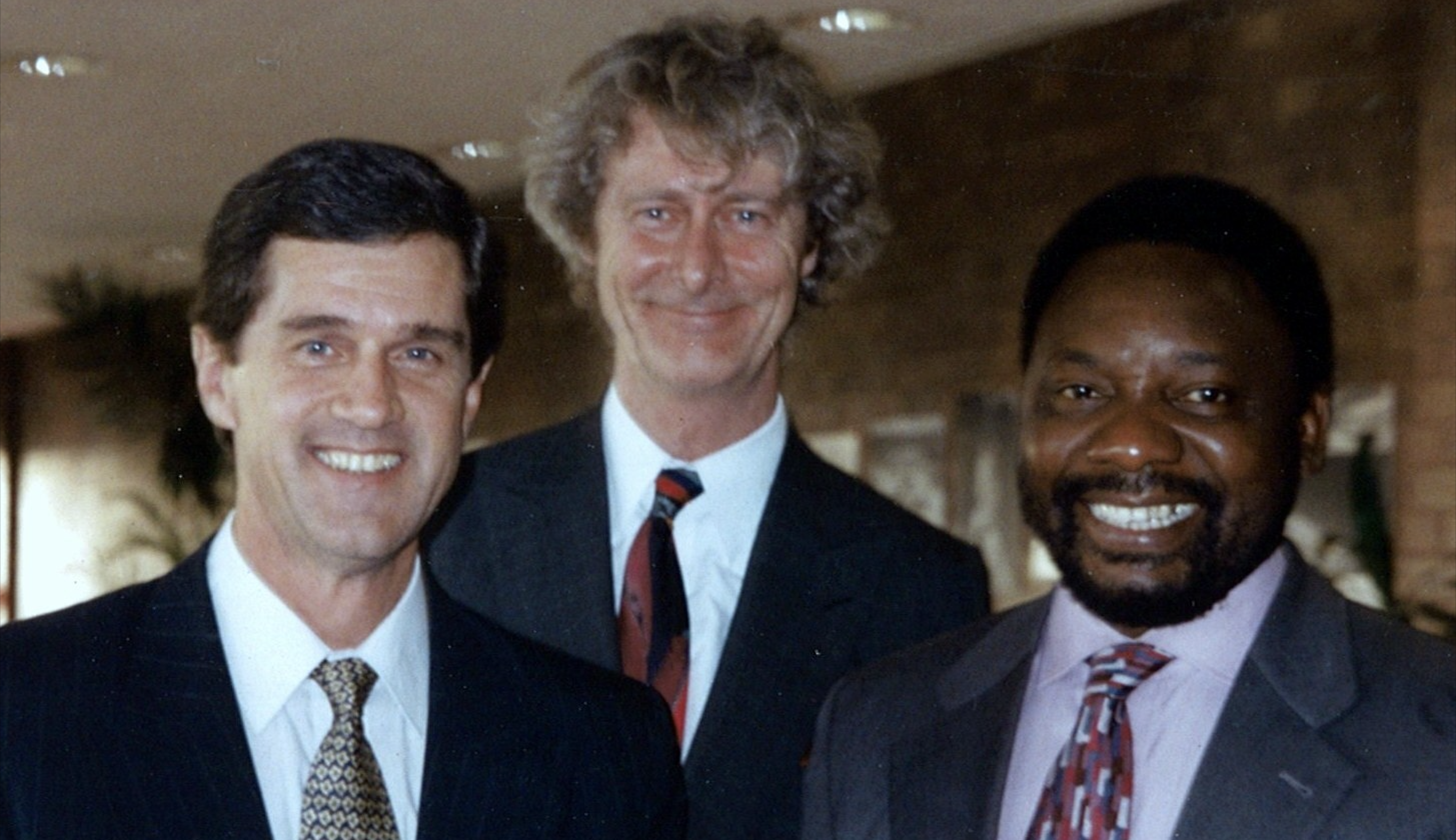
Roelf Meyer, serves as the South African Ambassador to the United States, Padraig O’Malley, John Joseph Moakley Distinguished Professor of Peace and Reconciliation at UMass Boston, and Cyril Ramaphosa, President of South Africa.
UMass has also been honored to engage directly with leaders who helped guide South Africa through that transformation. In 1993, future South African President Cyril Ramaphosa and Roelf Meyer received honorary degrees from UMass Boston in recognition of their efforts to advance negotiations during a critical moment in the country's history. In 2005, UMass awarded honorary degrees to Nelson Mandela and Graça Machel, recognizing their extraordinary contributions to human rights, reconciliation, and global leadership.
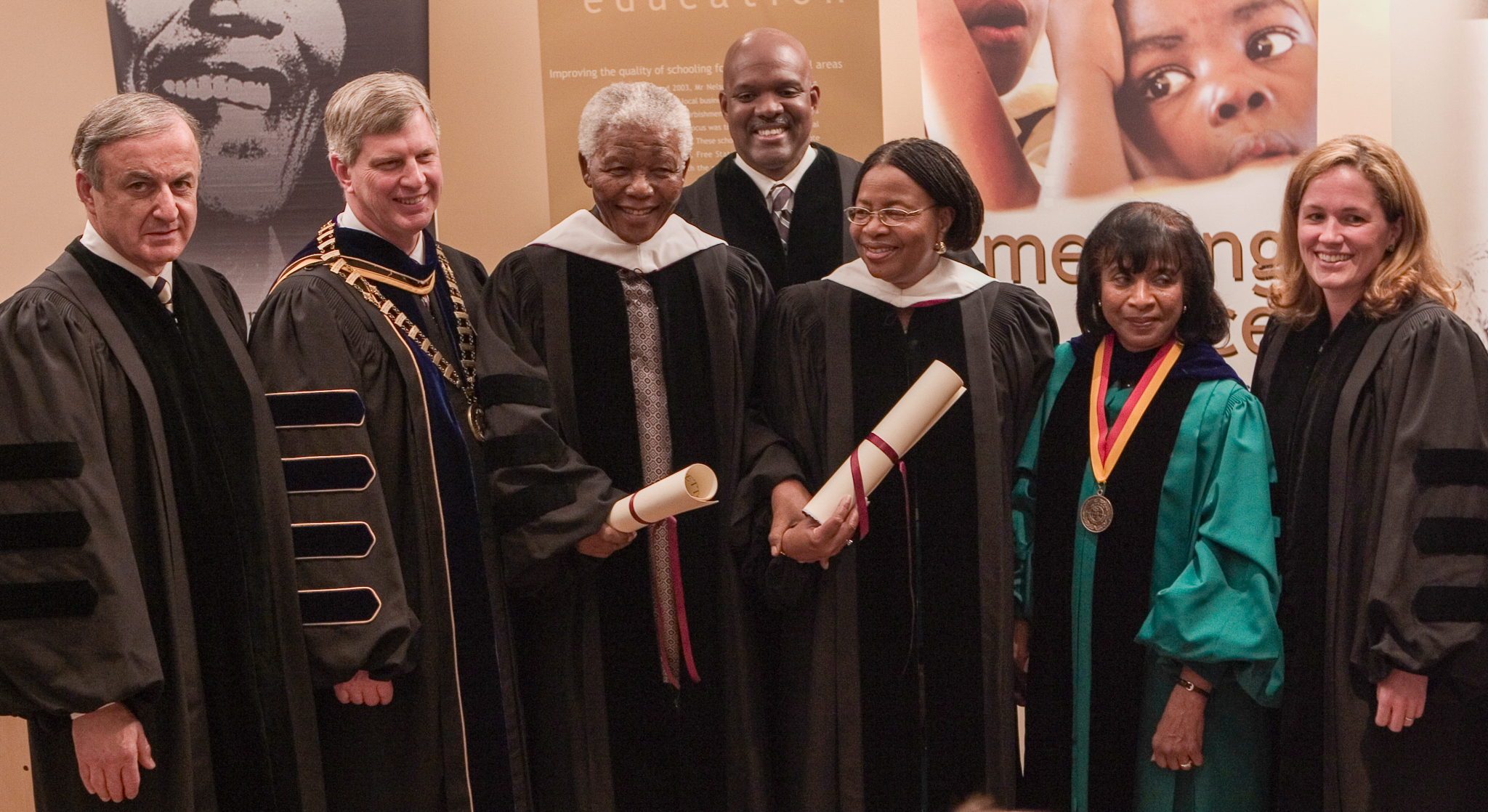
In 2005, the University of Massachusetts presented honorary degrees to former South African President Nelson Mandela and his wife, Graça Machel, in a degree ceremony at the Nelson Mandela Foundation in Johannesburg, South Africa.
These connections remind us that universities play an important role not only in educating students but also in preserving history, advancing dialogue, and helping society confront its most pressing challenges.
As we mark the 60th anniversary of Bobby Kennedy’s speech, we are living through a time when democratic institutions, civil discourse, and public trust face significant tests around the world. Kennedy's message remains remarkably relevant. Progress depends on individuals who are willing to stand up for their convictions, engage respectfully with those who disagree, and work toward a more just and equitable future.
Every generation is called upon to create its own ripple of hope.
As President of the University of Massachusetts, I believe one of our most important responsibilities is preparing the next generation to do exactly that through scholarship, service, leadership, and a commitment to the common good.
Sixty years later, RFK's challenge endures. The question is not whether we can change the world overnight. The question is whether we are willing to contribute our own ripple.

Marty Meehan
President, University of Massachusetts